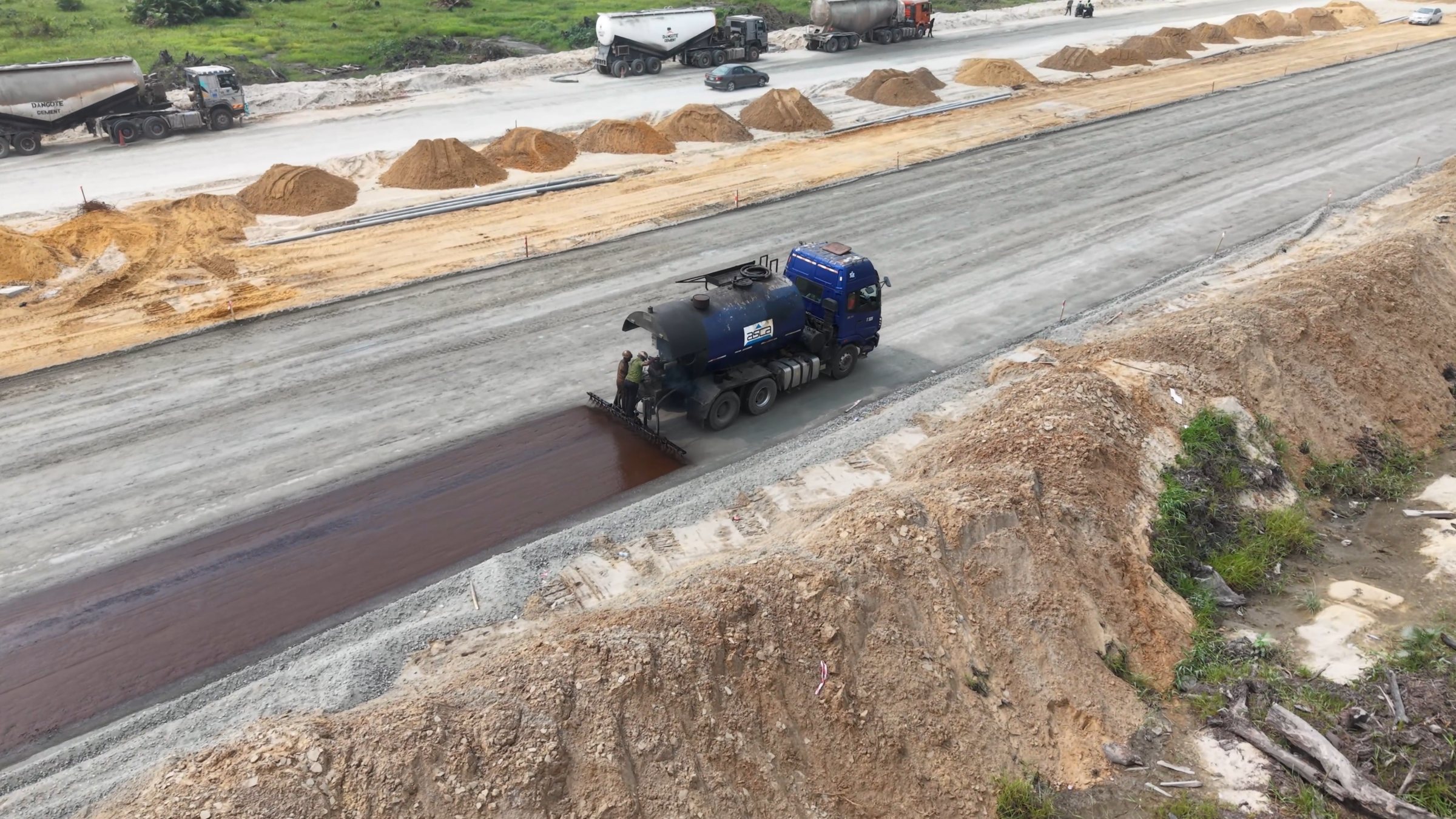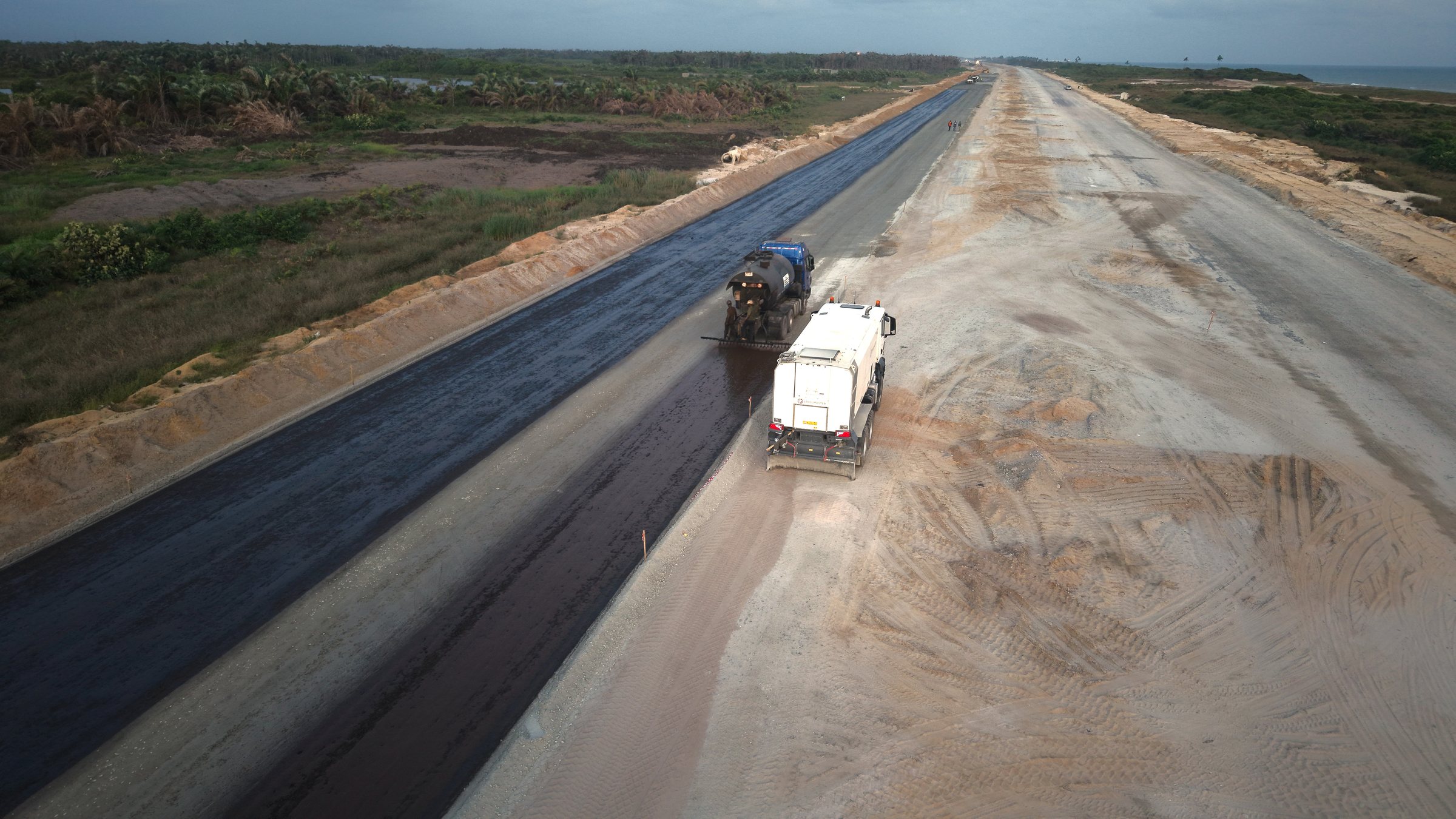
Material Stabilisation
Foam bitumen layers controlled from material selection to compaction
Hitech uses foam bitumen stabilisation to improve suitable processed materials for pavement layers, working platforms, and rehabilitation works where strength, moisture response, and material reuse matter.
Delivery is controlled through material suitability checks, binder dosage, moisture conditioning, mixing, spreading, compaction, testing, and construction sequencing.
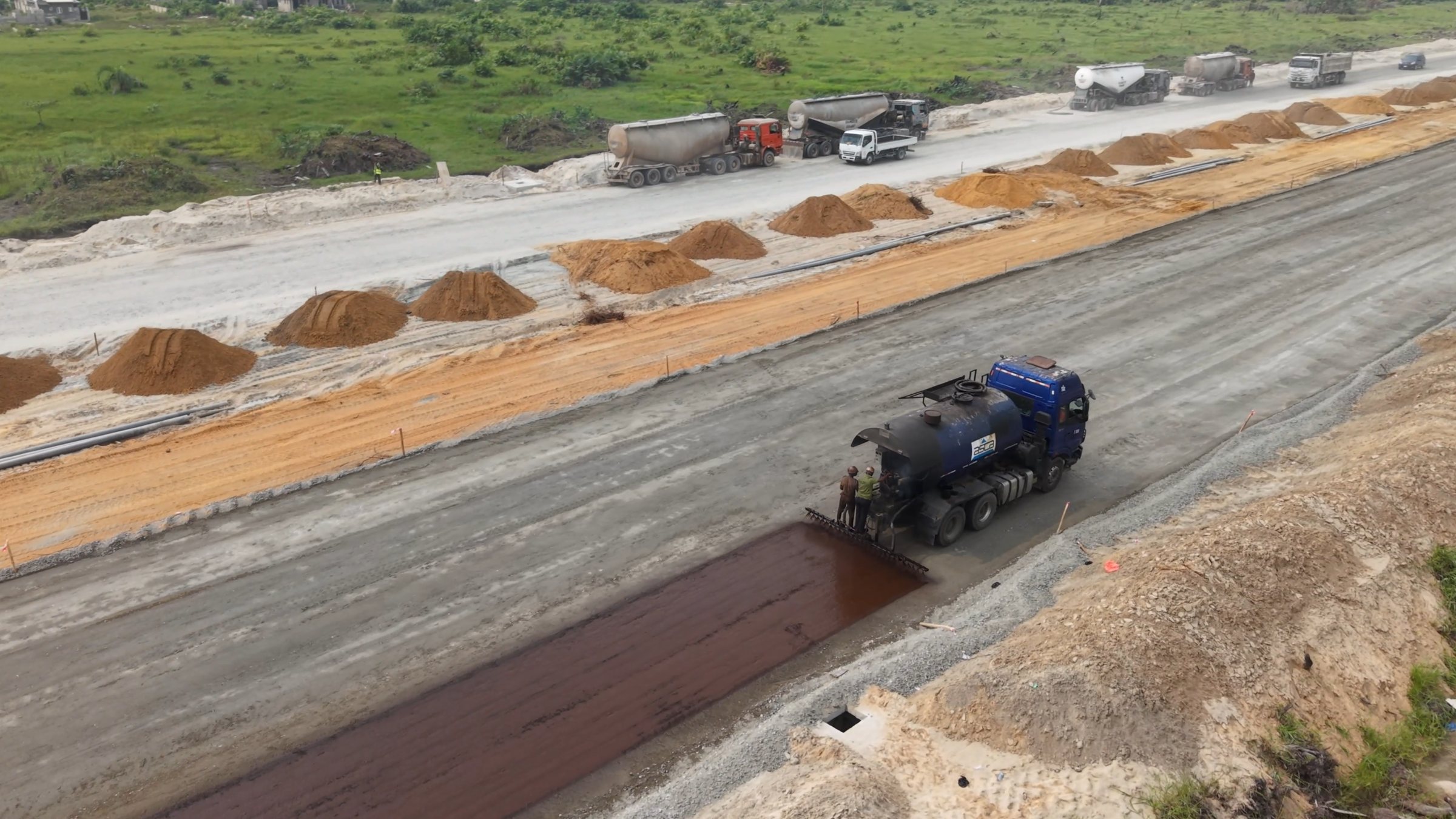
How foam bitumen stabilisation works
Foam bitumen stabilisation introduces expanded bitumen into processed granular material to improve cohesion while retaining a workable, compactable layer.
The method is most effective when material grading, moisture content, binder application, mixing depth, compaction, and curing are controlled as one production system.
- Improves cohesion and stiffness in suitable processed pavement materials.
- Supports base and subbase layers for road rehabilitation and corridor upgrades.
- Reduces dependence on imported aggregate where existing material can be reused.
Applications of Foam Bitumen Stabilised Materials
Road Construction
Road building and rehabilitation with longer-term durability
Stabilised base and subbase layers can improve pavement response under repeated traffic loading when material suitability is confirmed.
Earthworks
Stable embankments and stronger working platforms
Treated material can support temporary platforms, improved formations, and selected earthworks where the design permits stabilisation.
Remediation
Sustainable environmental remediation solutions
Reuse of suitable in-situ or processed material can reduce spoil movement, aggregate demand, and haulage impacts.